How Does the Used Hitachi ZX350 Excavator Handle Heavy-Duty Construction Tasks?
Release time: 2026-09-25
Table of Contents
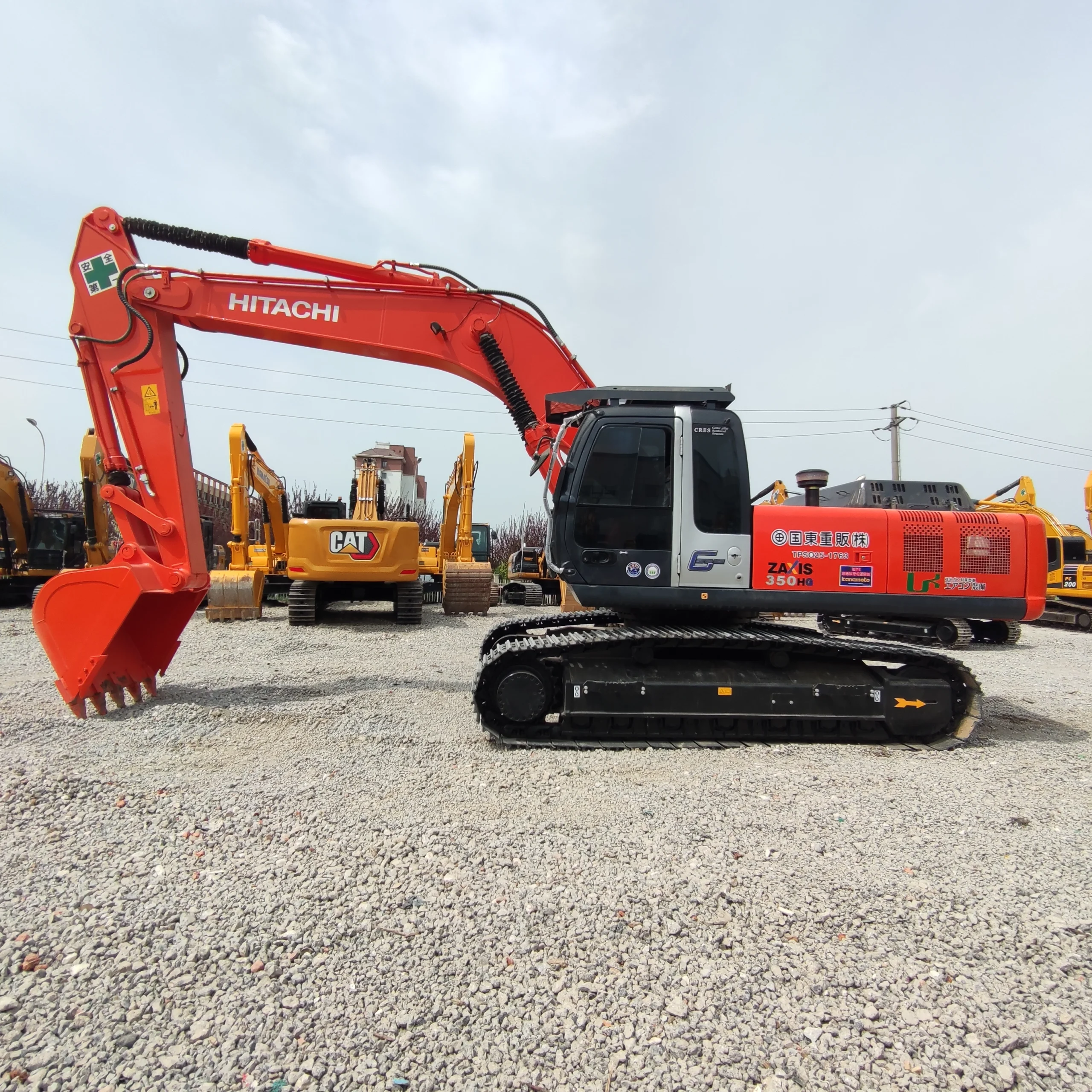
Heavy-duty construction work demands more than just a powerful engine. Contractors need an excavator that can handle long working cycles, move large volumes of material, and remain stable when working under demanding conditions. That is where the Used Hitachi ZX350 Excavator can be a practical option for projects that require more capacity than a typical medium-sized machine. With an operating weight of about 35,049 kg, a 2.3 m³ bucket capacity, and 202 kW of power, the used Hitachi 350 is positioned for large-scale excavation and earthmoving work. Rather than focusing only on age or appearance, buyers should look at how the machine’s hydraulic performance, digging reach, undercarriage condition, and overall maintenance history match the work ahead.
Hitachi ZX350 Hydraulic Excavator for Large-Scale Earthmoving
One of the main reasons a Hitachi ZX350 hydraulic excavator fits heavy construction is its combination of machine weight, power, and bucket capacity. A machine in this class can move a substantial amount of material in each cycle, making it useful when excavation volume is more important than compact dimensions. The 2.3 m³ bucket provides a good balance for general earthmoving, while the machine’s operating weight helps maintain stability when digging into demanding ground conditions. The available product configuration also provides a maximum digging depth of 11,350 mm and a maximum digging height of 9,990 mm, giving the machine enough working range for deep excavation, trenching, and large site preparation jobs. For contractors working on projects where productivity matters over many hours, these characteristics make the ZX350 class worth considering.
How Does the Used Hitachi ZX350 Perform in Heavy-Duty Excavation?
Heavy-duty excavation is not simply about having more horsepower. The excavator needs to transfer engine power effectively through the hydraulic system so that digging, lifting, swinging, and loading can be carried out smoothly. In practical work, operators often notice the difference when the machine has to break through compacted soil, handle heavy loads, or repeat the same cycle throughout the day. The Used ZX350 Excavator offers the size and operating weight expected from a large crawler excavator, making it suitable for demanding earthmoving applications. A used machine should still be evaluated on its actual working condition, however. Hydraulic response, abnormal noise, oil leakage, cylinder condition, and consistency between different operating functions are more useful indicators than appearance alone when judging whether an excavator is ready for another period of heavy work.
Construction Applications Where a Used Hitachi 350 Makes Sense
The ZX350 class is particularly useful when a project requires a combination of digging depth, bucket capacity, and working stability. Instead of using a smaller excavator for a job that requires constant high-volume excavation, contractors can choose a large crawler machine to reduce the number of cycles needed to complete the same workload.
Typical applications include:
Large-scale earthmoving and site preparation
Foundation and deep excavation
Road and infrastructure construction
Trenching and utility work
Quarry and aggregate handling
Loading excavated material onto transport vehicles
The right application ultimately depends on the machine’s condition and attachments. A well-maintained used Hitachi 350 can provide a practical balance between working capability and acquisition cost, especially for contractors who need heavy equipment without purchasing a new machine.
What Should Buyers Check Before Heavy Construction Work?
Buying a used heavy-duty excavator requires a slightly different mindset from buying a smaller machine. The key question is not simply whether the excavator starts and moves, but whether its major systems can continue working reliably under load. The engine should operate smoothly without excessive smoke or unusual noise, while the hydraulic system should maintain consistent performance during digging and lifting. The boom, arm, and bucket linkage also deserve close attention because these components experience substantial loads during excavation.
The undercarriage is another important area. Track chains, rollers, sprockets, idlers, and track shoes can gradually wear during demanding site work, and replacing several components can significantly affect the total ownership cost. Working hours are useful for reference, but they should not be considered separately from maintenance records and actual machine condition. A machine with higher hours but regular maintenance can sometimes be a better investment than a lower-hour excavator with an uncertain operating history.
Why Machine Condition Matters More Than Age
There is a common assumption that a newer used excavator is automatically the better choice. In reality, age is only one part of the picture. Heavy equipment is affected by operating environment, workload, maintenance habits, transportation, and previous owners. Two excavators of the same model and year can have very different levels of wear.
For a used Hitachi ZX350, buyers should therefore consider the complete condition of the machine. Look at the engine, hydraulic components, cooling system, electrical system, undercarriage, working equipment, and service history as a whole. This approach gives buyers a much clearer idea of the machine’s remaining working value. It also helps prevent a low purchase price from turning into higher repair and downtime costs later. When the machine is intended for heavy-duty construction, reliability during actual operation should always carry more weight than cosmetic condition.
Is a Used Hitachi ZX350 Excavator a Good Choice for Heavy Construction?
For contractors handling large excavation and earthmoving projects, a Used Hitachi ZX350 Excavator can offer the capacity needed for demanding work without the cost associated with purchasing a new large excavator. Its approximately 35-ton operating weight, 202 kW power output, 2.3 m³ bucket capacity, and long digging reach make it well suited to applications where machine stability and material-handling capacity are important.
The real value, however, depends on selecting the right machine rather than simply choosing the ZX350 name. A careful evaluation of hydraulic performance, engine condition, undercarriage wear, working hours, and maintenance history can help contractors determine whether a particular unit is ready for heavy-duty operation. For buyers who understand their project requirements and inspect the machine properly, a used Hitachi 350 can be a practical way to add large excavation capacity while keeping equipment investment under control.
FAQ
Is a used Hitachi ZX350 excavator suitable for heavy-duty construction?
Yes. With its large operating weight, strong hydraulic performance, and high bucket capacity, a used Hitachi ZX350 is suitable for large-scale earthmoving, foundation excavation, road construction, trenching, and other demanding applications. Its suitability ultimately depends on the machine’s actual condition and maintenance history.
What should I check when buying a used Hitachi ZX350?
Pay particular attention to the engine, hydraulic system, boom and arm, undercarriage, working hours, and maintenance records. Hydraulic response and undercarriage wear are especially important because these components can have a major impact on performance and future repair costs.
How important are working hours on a used Hitachi ZX350?
Working hours are useful for estimating machine usage, but they should not be considered alone. A higher-hour excavator with consistent maintenance may be more reliable than a lower-hour machine with poor service history. Buyers should evaluate operating hours together with the overall mechanical condition.
Can a used Hitachi ZX350 handle deep excavation?
Yes. The ZX350 class provides the digging reach and machine stability needed for many deep excavation and foundation projects. The exact capability depends on the machine configuration, attachment, and working conditions, so the specifications of the individual used unit should be checked before purchase.